
Landscape Design Ideas That Work in Oklahoma's Climate
Start With Your Site, Not a Pinterest Board
Inspiration photos are a great starting point, but a successful design begins with an honest look at your property. Note where the sun hits at different times of day, where water collects after a rain, which areas get strong wind, and how the soil looks and feels. These details determine what will grow well and where.
Much of central Oklahoma is known for heavy clay soil that holds water, drains slowly, and bakes hard in summer. Plants that love loose, sandy ground may struggle here unless the beds are properly prepared. Soil amendments, raised beds, and careful plant selection can make a big difference in how well a landscape establishes.
It also helps to think about how you use the space. Do you need a play area, a spot for entertaining, a screen from the neighbors, or an easy path from the driveway to the back gate? Answering these questions early keeps the design focused on function as well as appearance.
Choosing Plants That Handle Heat, Wind, and Swings in Temperature
Oklahoma can deliver triple-digit summer days, late freezes, and gusty spring winds all in the same year. Native and well-adapted plants such as coneflower, black-eyed Susan, salvia, ornamental grasses, and many types of juniper and yaupon holly tend to handle these swings well. Pairing them with a few showy seasonal accents gives you color without constant replacement.
Grouping plants by their water and sun needs makes upkeep easier. A bed with similar requirements is simpler to irrigate and less likely to have one plant struggling while its neighbor thrives. Layering heights, from groundcovers to mid-size shrubs to small ornamental trees, also adds depth and keeps the bed interesting year-round.
Mulch is the quiet workhorse of the planting bed. A fresh layer helps hold moisture, moderates soil temperature, and gives beds a clean finished look. We typically recommend refreshing it annually so the beds stay tidy and the plants stay supported.
Layout, Flow, and Hardscape Integration
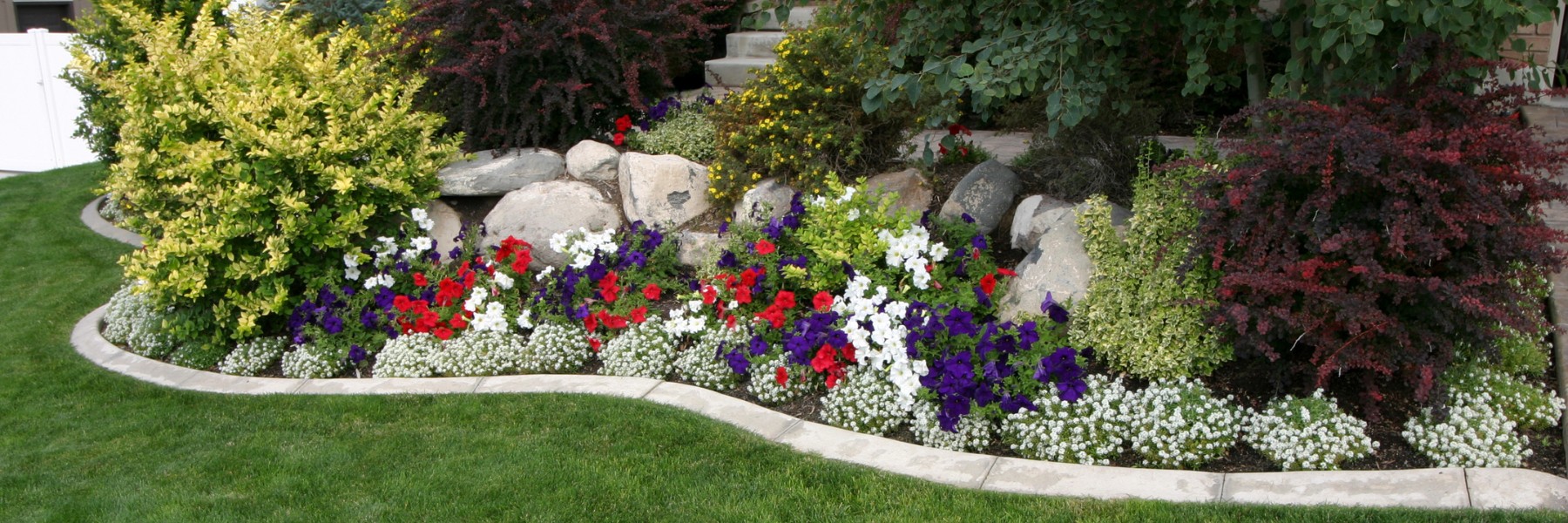
A strong design has a clear flow. Walkways guide visitors, planting beds frame the house, and focal points draw the eye where you want it. Curved bed lines tend to feel relaxed and natural, while straight edges suit modern or formal architecture.
Hardscape elements give a landscape structure that plants alone cannot provide. Patios, borders, steps, and seat walls add usable space and define different zones in the yard. Our Pavers, Retaining Walls & River Rock service pairs well with planting design when you want texture, level changes, or a low-maintenance accent.
Lighting, irrigation, and drainage should be considered at the design stage as well. Adding them later can mean tearing up new work, so it is better to plan the infrastructure before the first plant goes in the ground.
From Plan to Installation: What to Expect
A professional Landscape Design & Installation project typically begins with a site visit, a discussion of your goals and budget, and a concept plan. Once the scope is agreed on, the work moves through site preparation, grading, hardscape construction, planting, and finishing touches. Clear communication at each step keeps the project on track.
Phasing is a smart option for larger properties. You can complete the front yard first, add the backyard patio the following season, and fill in more plantings later. A good plan makes each phase fit into the bigger picture so nothing needs to be redone.
At Finer Edge Landscape Group, we offer free estimates on every project across the Oklahoma City metro. Whether you are in Yukon, Mustang, Newcastle, or Noble, we will walk your property, listen to what you want, and put together a design that suits your home and lifestyle.